Baccarat for beginners does not require a head for complex strategy, but it does demand a clear eye for how a card game actually runs. I have spent years managing search visibility for integrated media brands, and the same discipline applies here: separate the signal from the noise before you commit a cent. If you can read a baccarat table with the same measured approach you would use to assess a regional publisher’s traffic trends, you will not get swept up by the table chatter. The goal is simple: understand the mechanics, know where your money moves, and recognise when a venue’s payment flow suits your routine. That is the difference between a quiet arvo at the table and a rushed decision you will regret.
How the Table Actually Works
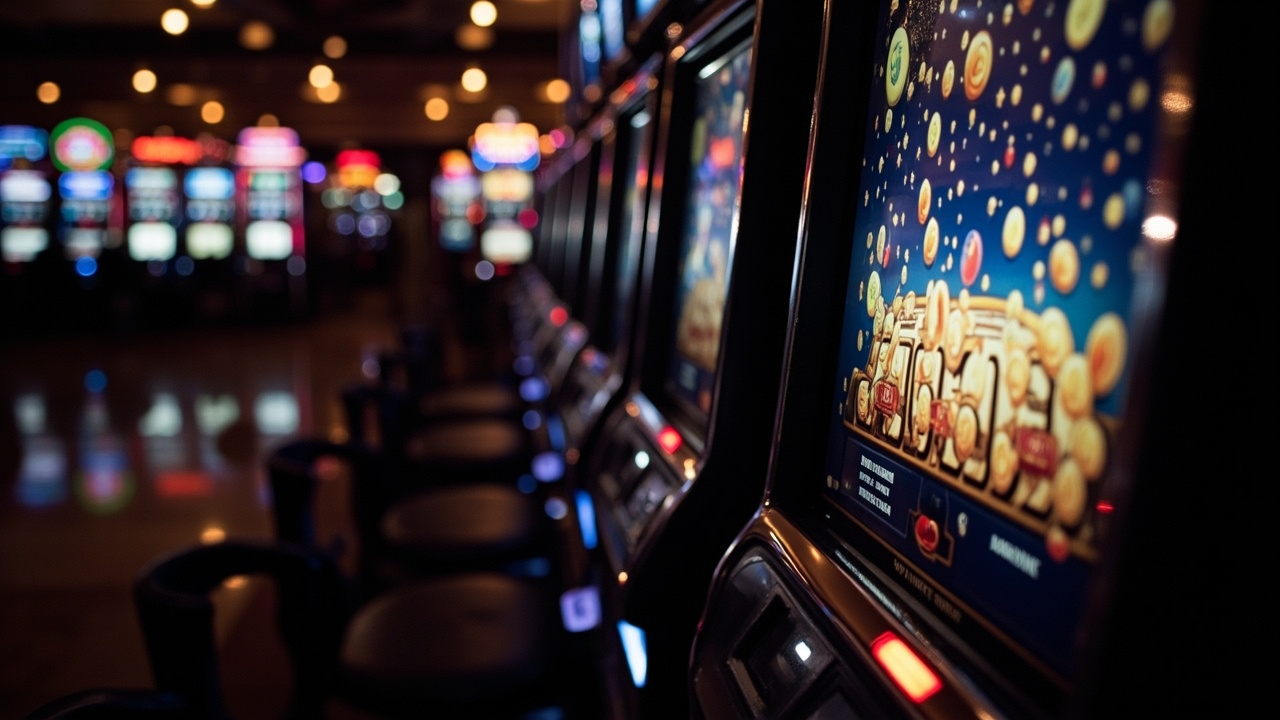
Baccarat for beginners is often dressed up as a high-stakes curiosity, but the core mechanic is straightforward. You are not playing against the house in the way you would at a pokies machine; you are backing one of two outcomes, Player or Banker, with a Tie bet sitting off to the side as a riskier side note. The cards are dealt automatically, and the drawing rules are fixed, which means there is no skill element in how the hand unfolds once the bets are placed. What matters is how you approach the betting rhythm and how you read the table’s pace.
From a search visibility standpoint, I gsfproducts.in always tell clients to look for the structural signals before they commit to a platform, and the same logic applies to a live or online table. A well-run game shows consistent dealing speed, clear signage on commission rates, and a layout that does not hide the basic rules behind flashy graphics. If you have ever watched a packed Melbourne tram during peak hour, you will recognise the value of a system that keeps moving without losing its shape; baccarat should feel the same way. The Banker bet carries a small commission on wins, usually five per cent, which is the only real cost built into the standard game. That commission is not a trick, it is simply how the house keeps its edge, and beginners who understand that upfront are less likely to misread a winning streak as a guaranteed pattern.
Reading the Money Side Before You Sit Down
Deposits and Cashier Flow
The cashier is where most beginners lose their nerve, not because the rules are difficult, but because the payment flow can feel opaque if you have not seen it before. A sensible venue will let you move Australian dollars through familiar methods without making you jump through unrelated hoops, and the registration step should be clear about what identification it needs before you can play. I have reviewed enough integrated media properties to know that a smooth onboarding process is a better indicator of operational maturity than a glossy homepage, and the same judgment call applies to a casino cashier. If the deposit screen asks for verification documents before you have even funded the account, that is not necessarily a red flag, but it does tell you the operator is treating compliance as a front-end step rather than an afterthought.
Payment limits deserve a proper look before you place your first wager. Some tables are fine for modest stakes, but the cashier may have minimum deposit thresholds that do not line up with the table minimums you expected. That mismatch is the kind of thing I would flag in a brand reputation audit, because it creates friction for the very people the platform should be welcoming. If you are playing for a quiet Saturday session rather than a marathon, you want a flow that lets you top up or step back without forcing you through a separate verification queue each time. The best setups keep the currency consistent, show the processing window in plain language, and do not bury the withdrawal request behind a maze of unrelated menus.
Withdrawals and Processing Realities
Withdrawal speed is where the difference between a polished operation and a rushed one becomes obvious. A venue that treats payouts as an afterthought will usually show it in the processing times, the documentation requests, and the way the cashier communicates each stage. I tend to compare this to a delayed Sydney train: the timetable might look tidy on paper, but the actual experience depends on how the operator handles the disruptions. If a withdrawal request sits in a pending state with no clear reason, that is a useful signal about how the platform manages its back end, and it is worth weighing that against the table experience itself.
Verification is part of the process, not a hurdle you can reasonably skip, and any operator that suggests otherwise is not presenting a realistic picture. You will usually need to confirm your identity before a withdrawal clears, and that step exists for the same reason a regional publisher keeps its editorial records straight: it protects the integrity of the transaction. The processing window varies, but a transparent venue will tell you what to expect rather than leaving you guessing. If you are used to the pub and RSL pokies culture, where you walk up, play, and walk out with your winnings in hand, the online withdrawal rhythm can feel slower by design. That is not a flaw in every case, but it is a reality you should factor into how you plan your session, especially if you are playing with money you intend to use later in the week.rotarycrocus.com
Matching the Game to Your Own Pace
The right fit depends on how you want to spend your time, not on which table looks busiest when you walk past. Some players prefer the quiet rhythm of an online table where the dealing is automatic and the pace is steady, while others want the physical presence of a live floor where the atmosphere does the work. Neither approach is inherently better, but they suit different temperaments, and beginners who recognise that early are less likely to force themselves into a format that does not match their routine. If you are the sort of person who likes a measured Canberra-adjacent approach to decisions, you will probably appreciate a table that does not rush you into repeated bets just because the next hand is already being dealt.
Baccarat for beginners works best when you treat it as a game of patience rather than a test of nerve. The fixed drawing rules mean the outcome is not something you can steer once the cards are in play, so the sensible move is to decide your stake, watch the table’s rhythm, and step back when the session has run its course. That is the same kind of discipline I apply when I am assessing whether a guest blog placement is worth the integration effort: the value is in the fit, not in the volume. If the table pace, the cashier flow, and the betting limits all line up with how you actually play, you will not need to chase the action to feel like you got what you came for.Thedesignfiles
For a beginner who wants a clear, low-fuss card game with a fixed set of rules and a cashier that treats Australian dollars without fuss, baccarat is a reasonable starting point, provided you pick a venue whose payment flow and verification steps match your patience level. If the table pace feels right and the money side stays straightforward, you can sit down for a quiet session without needing to second-guess the mechanics every time the cards turn over.